Protect your plumbing from freezing during extreme cold
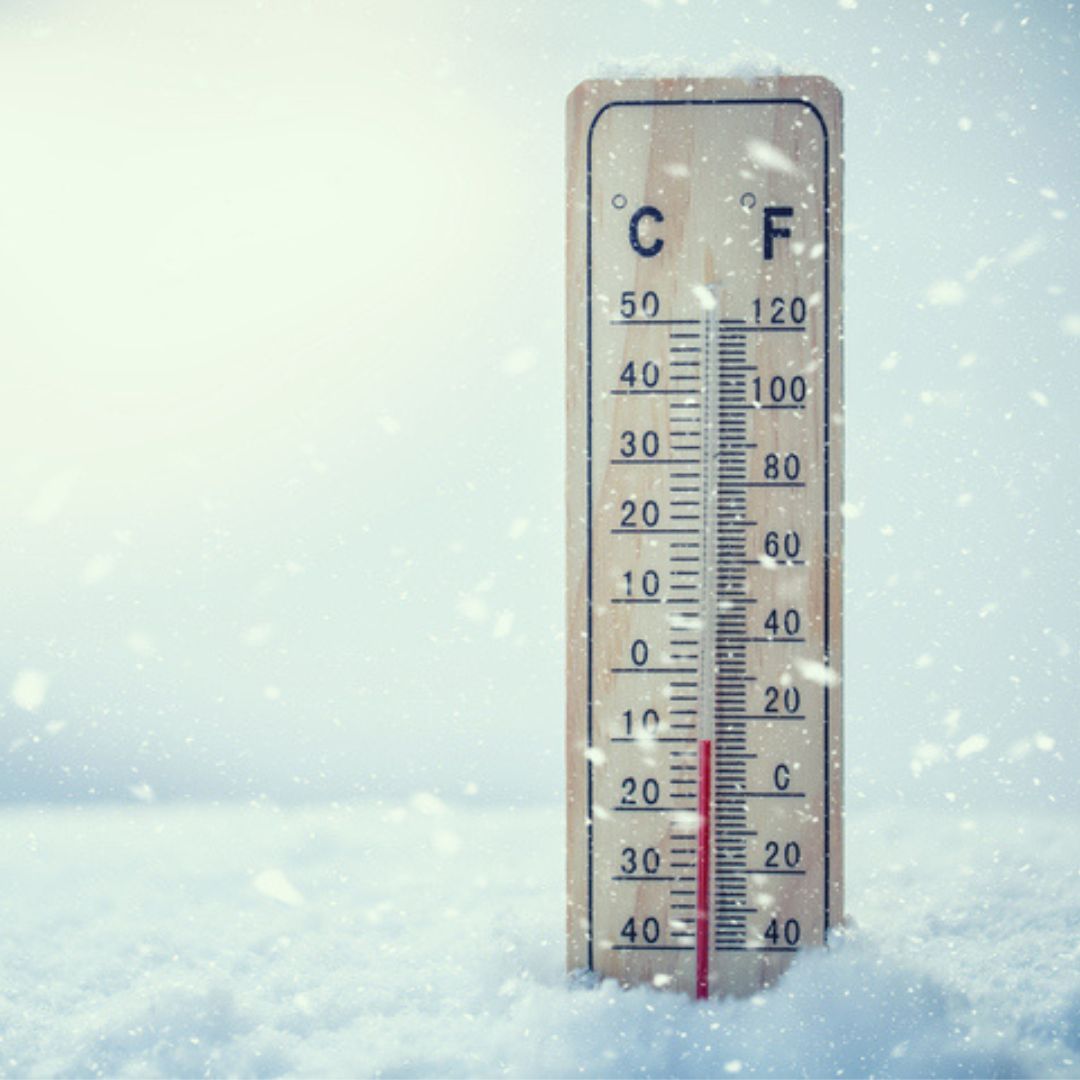
Over the next few days, temperatures are forecast to drop to -27°C. During extreme cold, exposed plumbing pipes, especially those located in exterior walls, unheated basements, and crawlspaces, are at higher risk of freezing.
To help protect your plumbing and prevent costly damage, review the tips below.
Check exposed cold water pipes inside your home
Inspect exposed cold water pipes in areas such as your basement or under the kitchen sink where the main water line enters your home. Carefully touch the pipes. If any section feels unusually cold or colder than surrounding areas, take action to provide additional heat.
Simple steps can help reduce the risk, such as insulating pipes and exterior walls or opening cupboard doors to allow warm air to circulate. If you suspect a pipe has frozen, you may try thawing it with a hair dryer.
Safety first: Never leave heating devices unattended and avoid overheating pipes, as this can weaken plumbing joints. If the issue persists or worsens, consider contacting a licensed plumber.
Internal plumbing pipes are the responsibility of the property owner.
How to prevent internal plumbing from freezing
To help prevent frozen internal plumbing and avoid damage to your privately owned water service:
- Locate your master shut-off valve at the water meter. Make sure it is accessible and functioning, so you can quickly turn off the water if a pipe bursts.
- Unscrew outdoor garden hoses, turn off the outdoor water supply, and allow exterior taps to drain. Ideally, this should be done before the first frost.
- Ensure boxes or stored items are not blocking heat from reaching your water meter or exposed plumbing near exterior walls.
- Insulate exposed plumbing in unheated areas such as basements, crawlspaces, attics, and garages, especially pipes near exterior walls. Foam pipe covers are widely available at home improvement stores. Avoid direct pipe contact with exterior walls.
- Seal cracks and openings that allow cold air to enter. Check around windows and doors, electrical wiring, dryer vents, and pipe penetrations. Make sure all doors and windows are fully closed.
- Consider installing frost-free outdoor faucets.
- If you will be away for an extended period, turn off the master shut-off valve and drain the pipes, including exterior taps. Keep in mind that systems such as water heaters and water softeners may also be affected when the water supply is turned off.
- When in doubt, consult a licensed plumber.
Know what to do during long-duration cold snaps
With temperatures expected to remain extremely cold for more than a week, it’s important to take extra precautions to protect your home and plumbing. Learn more about: