Protect your basement from flooding during snowmelt
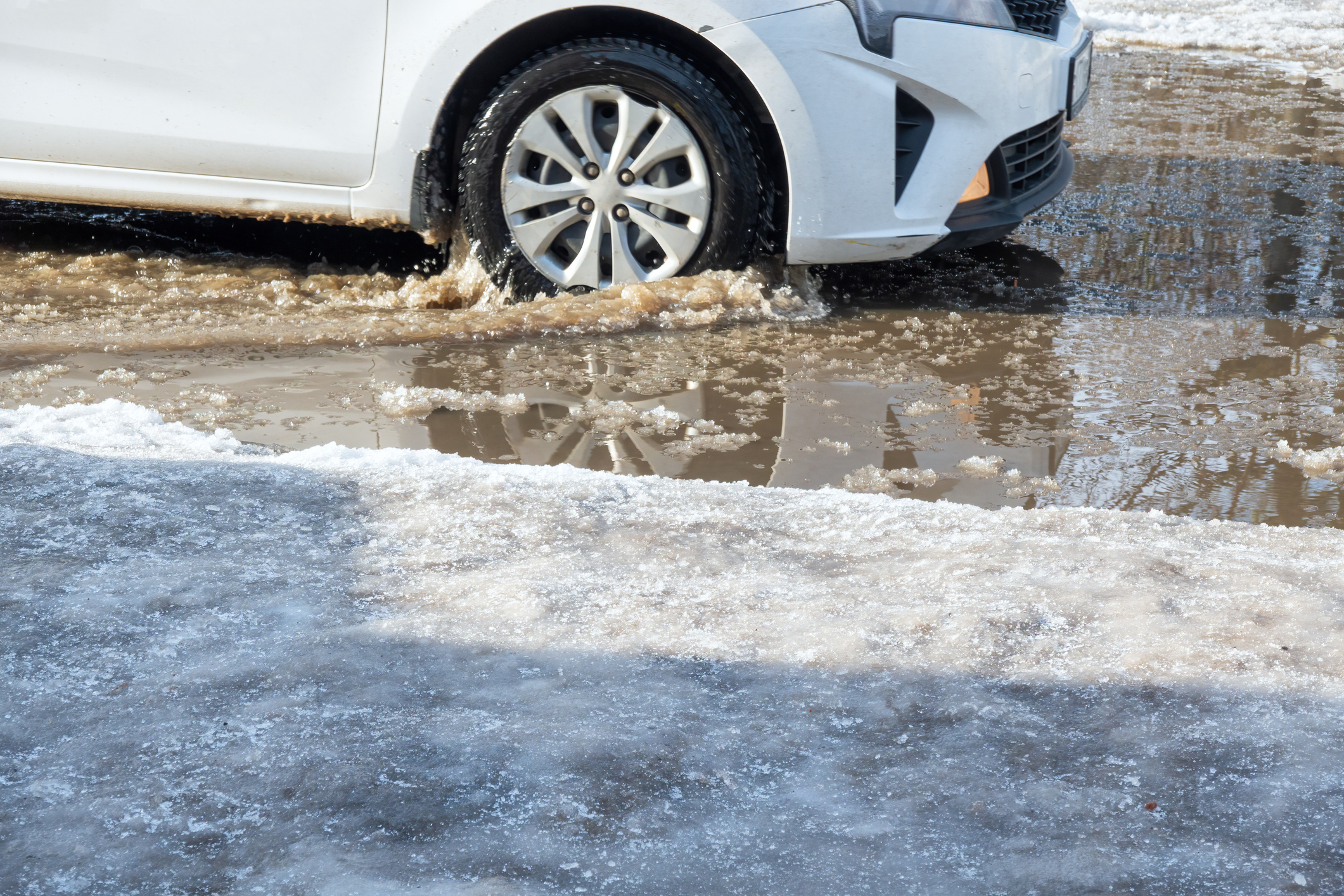
Even though it’s still winter, February has brought some milder temperatures, and we’re starting to see snow melt more quickly. When snow melts fast, especially during a warm spell or rainstorm, the ground is often still frozen and can’t absorb the water.
That water has to go somewhere. Sometimes, it finds its way into basements, even in homes where flooding has never happened before.
If you live in a home with a basement, here are simple steps you can take today to reduce your risk.
Clear snow away from your foundation
After heavy snowfall, snow often builds up against your home. When it melts, the water can pool near your foundation and seep in through cracks, window wells, or small gaps in walls.
If you can, shovel snow away from the foundation and create a clear path so melting water can follow the natural slope (grade) away from your house.
Make sure downspouts are clear
Check that your downspouts are not blocked by snow or ice. They should direct water at least two metres away from your home.
If water can’t flow through properly, it may collect near your foundation, increasing the risk of basement flooding.
Keep nearby catch basins clear
If there is a catch basin (storm drain) near your property, help keep it clear of snow and ice. This allows melting snow and rainwater to drain properly instead of pooling on the street or near homes.
Reduce water use during heavy melt or rain
When snow is melting quickly, the sewer system may already be handling a high volume of water. Using large amounts of water in your home at once—such as doing laundry, running the dishwasher, or taking long showers—can put extra pressure on the system.
If possible, spread out water use during heavy rain or rapid snowmelt periods.
Long-term protection for your basement
Installing or upgrading a sump pump and adding a backwater valve are two of the best ways to protect your basement. A sump pump moves water away from your foundation before it causes damage, while a backwater valve helps prevent sewage from backing up during heavy rain or when the sewer system is full. Both should be properly maintained — especially in older neighbourhoods — to make sure they work when you need them most.
Know what to do if your basement floods
If your basement floods:
- Stay safe! Do not enter a wet basement unless a qualified professional has confirmed it is safe.
- There is a risk of electrical shock and contamination.
- Contact us right away — we are available 24/7.
- Consider contacting your insurance provider as soon as possible.
Your safety always comes first.
Taking a few simple steps now can make a big difference. With snow melting quickly, a little prevention today can help protect your home tomorrow.